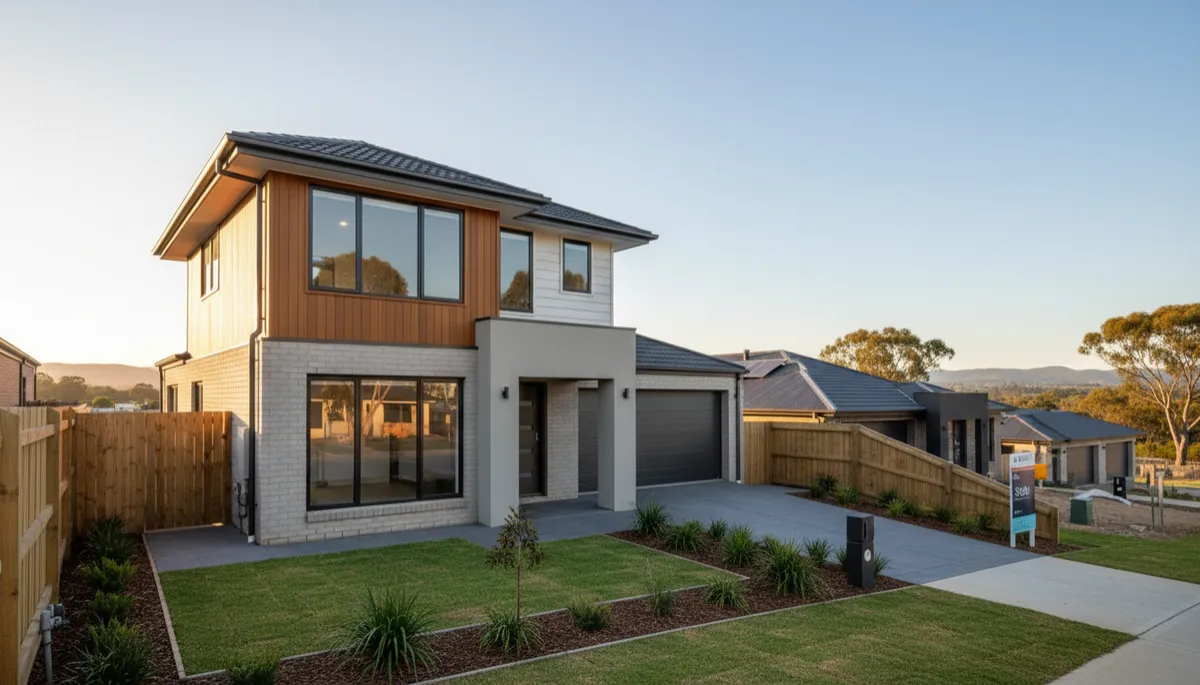
Investment Property: Beyond the Starting Price
A new investment property can look appealing on paper. You choose a design, review the package price and estimate the rental income. But the strength of the investment depends on the full cost of getting the property built, completed and ready for tenants. Even when construction costs become more predictable, that does not necessarily mean building becomes cheaper. For investors, the practical question is whether the project still fits their budget and strategy when the less obvious expenses are included.
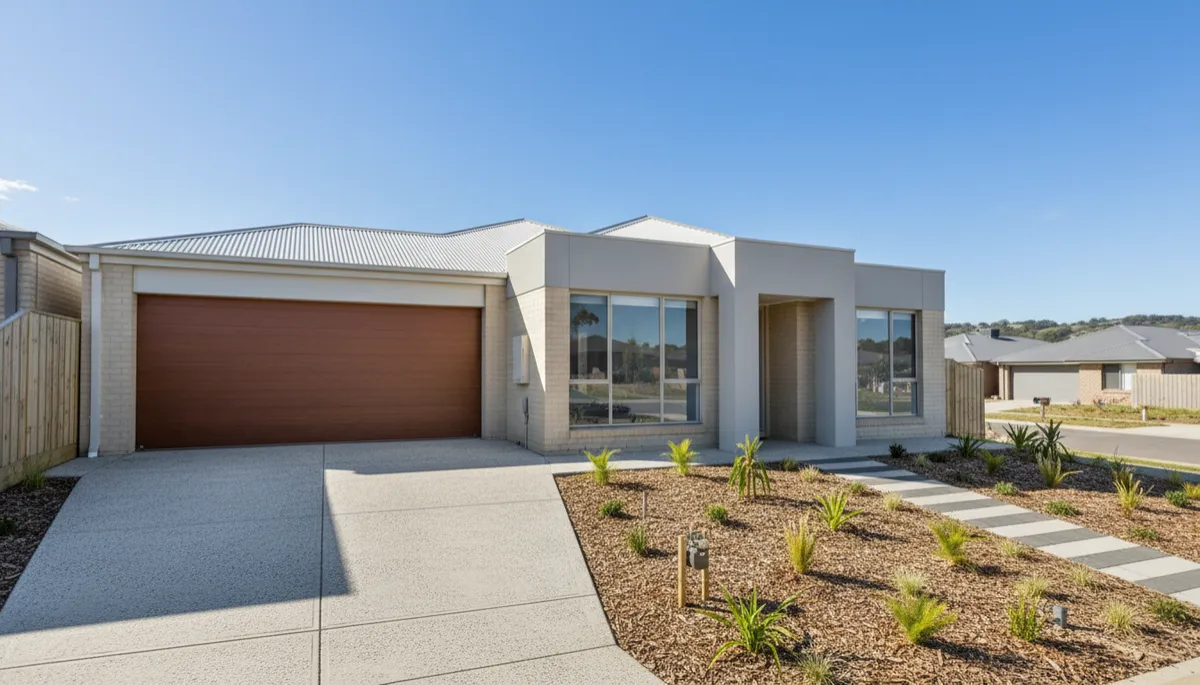
Why looking beyond the starting price matters
In a brochure or on a website, the advertised figure for a house-and-land package can appear straightforward. It is easy to assume that number represents the bulk of what you will pay to bring the property to life. In practice, building an investment property in Australia often involves a series of separate costs, time frames and decisions that sit behind that starting price.
For investors, the key question is not simply whether the package looks competitive compared with others. It is whether the total project — including land, construction, completion items, finance, potential vacancy and ongoing ownership — still makes sense once all of those elements are considered together. This is where a structured, strategy-led approach can help you move from headline numbers to a clearer view of risk, cash flow and suitability for your portfolio.
Understand What the Price Includes
Two building packages with similar advertised prices may cover very different things. One might include flooring, fencing and landscaping, while another leaves those items for the purchaser to arrange. Site conditions, design changes and additional work can also affect the final amount. Before comparing properties, request a clear breakdown of inclusions, exclusions and allowances so you understand what the starting figure actually represents.
What may be included
Depending on the package, the advertised price may cover a range of items that help bring the property closer to tenant-ready condition.
Flooring
Fencing
Landscaping
Driveway
Window coverings
Basic site works
Standard fixtures and finishes
What may require further review
Other items may sit outside the base price or be subject to allowances that can change as more information becomes available.
Site costs
Soil conditions
Retaining walls
Design changes
Upgraded finishes
Utility connections
Additional landscaping
Tenant-ready completion items
Useful questions include:
What site works are included?
Which items have an allowance rather than a confirmed cost?
What needs to be completed before tenants can move in?
What circumstances could change the contract price?
A lower starting price is only useful when you understand exactly what it buys.
Allow for the Time Before Rental Income Begins
An investment property can generate expenses before it generates rent. During construction, you may need to cover finance costs, land-related expenses and other commitments. After completion, there may also be a period before a tenant moves in. Factoring in these stages is essential when assessing whether the project is manageable for your cash flow and broader financial plans.
Costs before completion
Finance costs
Land-related expenses
Insurance where applicable
Construction-related payments
Other ownership commitments
Costs before tenancy
Final property preparation
Property management setup
Advertising or leasing costs
Initial maintenance
Vacancy period
Utilities or other holding costs
A project that relies on the earliest possible completion date leaves less room for delays or unexpected costs.
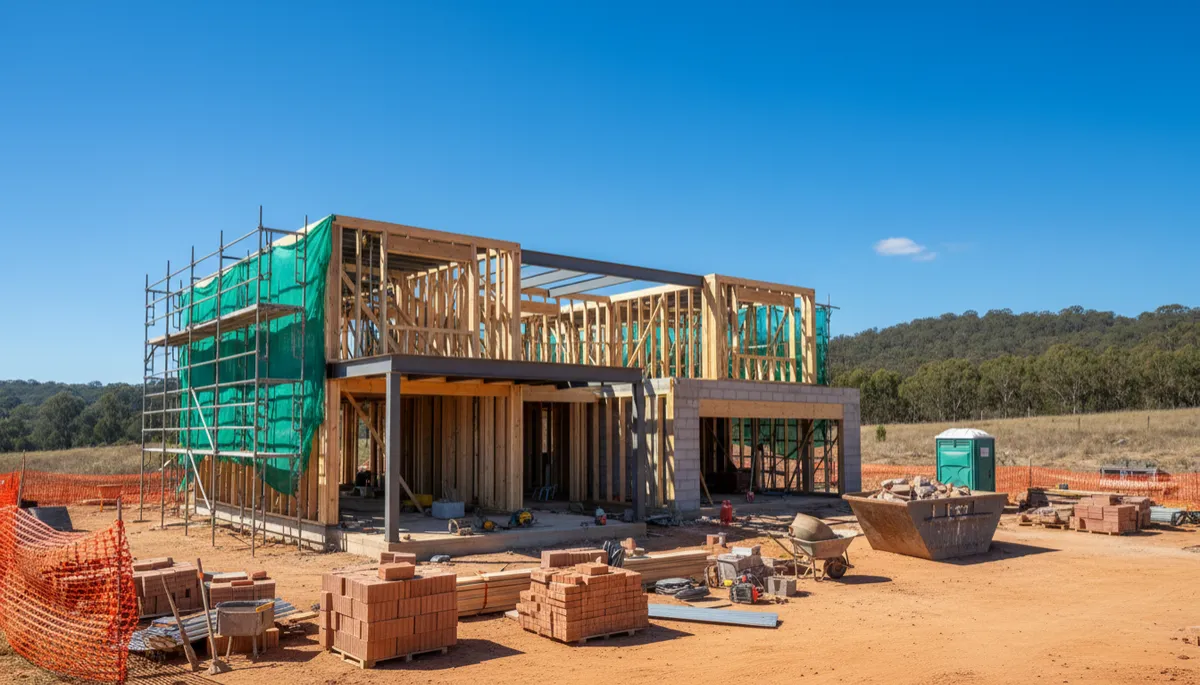
Construction and pre-tenancy stages can involve costs before any rental income is received.
Assess the Location as Carefully as the Build
A well-presented new home still needs to suit its local rental market. Consider the households likely to rent in the area, competing properties and whether the layout meets their needs. Local employment, transport and access to everyday services can also help inform that assessment. A property that aligns with how people actually live and work is more likely to appeal to suitable tenants over time, even though demand can change and is never guaranteed.
Local rental market
Reviewing current rental evidence can help you understand how similar properties are performing in the area.
Comparable rental listings
Recently leased properties
Vacancy conditions
Competing new properties
Likely tenant profile
Local property manager feedback
Property and location fit
The design and position of the home should align with what local renters are likely to value.
Bedroom configuration
Parking
Practical layout
Access to employment
Transport
Schools and childcare where relevant
Shops and everyday services
Compare realistic rental expectations with the total purchase and ownership costs. This can help you decide whether the potential income — allowing for vacancy and changes over time — is appropriate for the level of capital and risk involved in the project.
Attractive finishes alone do not establish tenant demand or investment performance.
Look at the Full Project Cost
The advertised package price is only one part of the overall investment. When you are building an investment property in Australia, it can be helpful to map out every stage — from securing the land through to having a tenant in place and managing the property over time. This broader view can make it easier to compare different projects on a like-for-like basis and understand the commitment involved.
Purchase and build costs
Land purchase
Building contract
Site works
Applicable taxes and duties
Legal or conveyancing costs
Finance costs
Upgrades or variations
Completion and ownership costs
Landscaping
Fencing
Window coverings
Appliances where required
Property management
Insurance
Rates
Maintenance
Vacancy allowance
Understanding the total amount required from land purchase through to tenant-ready completion can provide a more useful basis for comparing different projects. It also helps you identify where there may be flexibility — for example, choosing different finishes — and where costs are more fixed, such as statutory charges or certain site requirements.
Compare projects using the expected total cost, not simply the advertised starting price.
Keep the Purchase Connected to Your Goals
Before committing, revisit why you are investing. Your intended holding period, cash flow needs and future property plans should influence the decision. Market commentary and construction headlines provide useful context, but your own project needs a clear budget and a reason for belonging in your portfolio. A property that suits one investor’s objectives may not be appropriate for another’s circumstances.
Holding period
How long do you intend to own the property, and does the project fit that timeframe? A longer holding period may allow more time to absorb construction time frames, changes in rental conditions and maintenance requirements, while a shorter horizon may place more emphasis on timing and transaction costs.
Cash flow
Can you manage the construction period, vacancy and ongoing ownership costs? This includes interest, rates, insurance, property management and maintenance — as well as potential gaps between tenancies. Building in buffers can provide greater flexibility if conditions change or expenses are higher than expected.
Portfolio fit
Does the property complement your existing exposure, future plans and financial position? Consider how the location, dwelling type and price point sit alongside your other assets, income sources and risk tolerance. A single project should be viewed in the context of your overall strategy rather than in isolation.
A new-build investment should be assessed as part of your wider strategy rather than simply because the package looks attractive. Taking the time to align the project with your goals can help you decide whether building is the right step now, or whether another type of property or timing may be more suitable.
Explore Your Next Property With Residy Invest
At Residy Invest, we help you explore property options in the context of your goals, financial position and longer-term plans. Rather than focusing only on the advertised price, we look at how the full project — from land selection and build costs through to rental evidence and ownership requirements — may align with your broader strategy for property investment in Australia.
If you are considering building a new investment property, understanding the full project cost, rental market and ownership requirements can help you assess whether the opportunity fits your strategy. This includes examining inclusions and exclusions, realistic time frames, potential vacancy, cash flow impact and how the property may sit alongside your existing assets and future plans.
Considering a new investment property? Schedule your complimentary property strategy session or call 1300 73 1864 to discuss your next steps with the team at Residy Invest.
General information only. Not financial advice. Individual circumstances apply. Property investment involves risk, and construction costs, rental income and future property performance are not guaranteed.
